

"Farm First. Always.""बळीराजाचं विश्वासू व्यासपीठ"
"Farm First. Always.""बळीराजाचं विश्वासू व्यासपीठ"


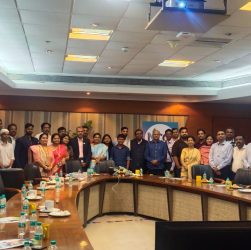
मुंबई | 3 जून 2026मुंबई में ‘चेंबर फॉर एडवांसमेंट ऑफ स्मॉल एंड मीडियम बिजनेसेज’ (CASMB) द्वारा आयोजित एक महत्वपूर्ण मंथन …
नानासाहेब पाटील यांचा गंभीर इशारा: भारताच्या आर्थिक वाटचालीवर ‘स्ट्रक्चरल’ संकटाचे सावट मुंबई | विशेष प्रतिनिधी३ जून, २०२६ मुंबईतील ‘चेंबर फॉर …
At a landmark CASMB brainstorming session in Mumbai, former IAS officer Nanasaheb Patil delivered a data-driven warning: India’s growth story …

२०४७ चं स्वप्न, २०२५ चं वास्तव आणि मध्ये उभ्या असलेल्या आठ निर्णायक सुधारणा. नानासाहेब पाटील यांनी सांगितलं — वेळ संपत …
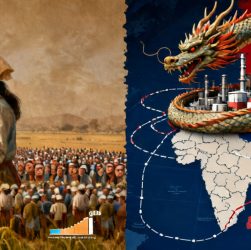
चीनने जगाचा कारखाना ताब्यात घेतला तो नशिबाने नाही — एका सुनियोजित रणनीतीने. आणि भारत या रणनीतीच्या जाळ्यात आधीच अडकला आहे. …
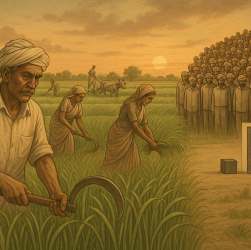
२७ कोटी शेतकरी, ४३ टक्के कामगार शक्ती — आणि तरीही GDP मध्ये केवळ १५ टक्के योगदान. हा योगायोग नाही, हे …
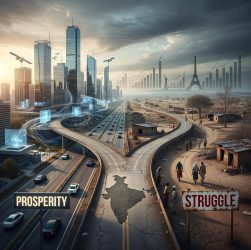
जगाची अर्थव्यवस्था पुन्हा मांडली जात आहे. भारत तिसऱ्या क्रमांकावर आहे — पण प्रतिव्यक्ती उत्पन्नात १२६ वा. हा विरोधाभास आता दुर्लक्षित …
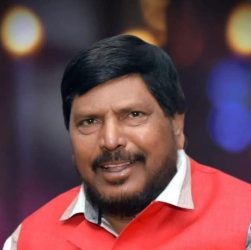
NEW DELHI | April 14, 2026: Shri Ramdas Athawale, Union Minister of State for Social Justice & Empowerment and National …
“Reduce the Burden on Agriculture, Boost Industry and Exports — Nanasaheb Patil’s Eight-Point Agenda” स्वामीनाथन स्मृती व्याख्यान: चीन-बांगलादेश मॉडेल, APMC सुधारणा व खत सुरक्षिततेवर ठोस भूमिका Swaminathan Memorial Lecture: Firm stand on China-Bangladesh model, APMC reforms and fertiliser security पुणे: शेतीवर अवलंबून असलेल्या ४२ टक्के लोकसंख्येला पर्यायी रोजगार देण्याशिवाय शेतकऱ्यांची परिस्थिती सुधारणार नाही, असे स्पष्ट मत डॉ. एम. एस. स्वामीनाथन स्मृती व्याख्यानात भारतीय प्रशासन सेवेचे (नि.) श्री. नानासाहेब पाटील यांनी व्यक्त केले. Pune: Without providing alternative employment to the 42 percent of the population dependent on agriculture, the condition of farmers will not improve — this was the clear view expressed by Shri. Nanasaheb Patil, IAS (Retd.), at the Dr. M. S. Swaminathan Memorial Lecture. पुणे कृषी महाविद्यालयात माजी विद्यार्थी संघटनेच्या स्थापना दिन कार्यक्रमाच्या निमित्ताने आयोजित या व्याख्यानात पाटील यांनी भारतातील शेती क्षेत्रातील संरचनात्मक संकटावर सखोल भाष्य केले. हार्वर्ड विद्यापीठातील नोबेल विजेत्या अर्थतज्ज्ञांसोबत काम केल्यानंतर त्यांनी चीन आणि दक्षिण कोरियाचा प्रत्यक्ष दौरा केला. त्या अनुभवाच्या आधारे ते बोलत होते. The lecture was organised at Pune Agricultural College on the occasion of the Alumni Association’s Foundation Day. Patil spoke on the basis of his experience after working with Nobel Prize-winning economists at Harvard University and personally visiting China and South Korea. “जगातील कुठल्याच देशाची प्रगती केवळ शेतीवर झालेली नाही. शेतीवरील अतिरिक्त लोकसंख्येचा बोजा कमी करण्यासाठी मॅन्युफॅक्चरिंग आणि निर्यात उद्योगांचे जाळे देशभर उभारणे ही काळाची गरज आहे.” “No country in the world has achieved progress through agriculture alone. Building a nationwide network of manufacturing and export industries to reduce the excess population burden on agriculture is the need of the hour.” एमएसपीत वार्षिक २०% वाढ — चीनचा धडा 20% Annual MSP Hike — A Lesson from China चीनने शेतीतून औद्योगिक विकासाकडे वाटचाल करताना दरवर्षी किमान आधारभूत किंमत (एमएसपी) वीस टक्क्यांनी वाढवण्याचे धोरण स्वीकारले होते. त्याचवेळी प्रत्येक गावात शेतीसोबत एक उद्योग उभा केला — ‘टाऊन अँड कंट्री’ हे त्यांचे विकासाचे सूत्र होते. १९७८ ते १९९२ या अवघ्या चौदा वर्षांत २२ कोटी लोकांना शेतीतून बाहेर काढून पर्यायी रोजगार दिला गेला. आज आपल्या दुकानांमध्ये चीन आणि व्हिएतनामची उत्पादनेच दिसतात — हे त्याचेच फळ आहे. While transitioning from agriculture to industrial development, China adopted a policy of increasing the Minimum Support Price (MSP) by twenty percent every year. Simultaneously, one industry was established alongside farming in every village — ‘Town and Country’ was their formula for development. In just fourteen years, from 1978 to 1992, 22 crore people were moved out of agriculture and given alternative employment. Today, only Chinese and Vietnamese products are seen in our shops — this is the result of that effort. एपीएमसी — शेतकऱ्यांच्या शोषणाचे साधन APMC — An Instrument of Farmer Exploitation कृषी उत्पन्न बाजार समिती (एपीएमसी) ही व्यवस्था शेतकऱ्यांच्या विकासासाठी नव्हे, तर त्यांच्या शोषणासाठी तयार झाल्याचे पाटील यांनी सांगितले. सह्याद्री फार्म्ससारखे शेतकरी उत्पादक संस्थांचे (एफपीओ) मॉडेल विस्तारित करणे ही तातडीची गरज असल्याचे त्यांनी नमूद केले. The Agricultural Produce Market Committee (APMC) system was created not for the development of farmers, but for their exploitation, said Patil. He stressed that expanding the Farmer Producer Organisation (FPO) model — like that of Sahyadri Farms — is an urgent need. “तीन शेती कायदे मागे घ्यायला नको होते. ते स्वीकारले असते तर शेती क्षेत्रात मोठ्या सुधारणा झाल्या असत्या.” “The three farm laws should not have been withdrawn. Had they been accepted, major reforms would have taken place in the agriculture sector.” खतांचा पुरवठा धोक्यात — शेतीपुढे गंभीर संकट Fertiliser Supply Under Threat — A Serious Crisis for Agriculture …
NextGen Chamber of Commerce and Industry Inaugurated in Mumbai on Mahatma Phule Jayanti; Targets Financial Inclusion for Bahujan, Rural Communities …