
"Farm First. Always.""बळीराजाचं विश्वासू व्यासपीठ"
"Farm First. Always.""बळीराजाचं विश्वासू व्यासपीठ"
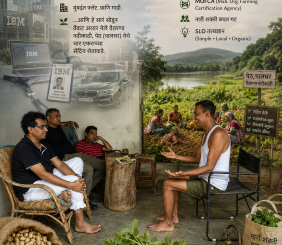
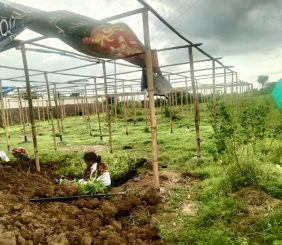
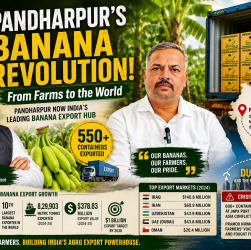
— How Pramod Nirmal Built a Banana Empire from Pandharpur’s Sacred Soil 📸 Photo: Pramod Nirmal — Banana Exporter, Pandharpur, Solapur District, Maharashtra 🎥 Watch Full Video Report: Click Here — YouTube ✍️ Vijay Gaikwad | Senior Agricultural Journalist & Policy Analyst 📍 Pandharpur, Solapur District, Maharashtra | 📅 May 21, 2026 🙏 A City That Breathes Faith There is a road in Maharashtra that leads to God. It runs through sugarcane fields and sun-baked plains, past bullock carts and diesel pumps, through villages where the walls carry faded portraits of Tukaram and Dnyaneshwar. Every June and November, millions of feet walk this road — barefoot, blistered, and filled with a devotion so ancient it feels geological. They are going to Pandharpur. They are going to see Vitthal — the dark-skinned god who stands with hands on hips at the banks of the Chandrabhaga River, waiting, as he has waited for centuries, for his people to arrive. Pandharpur is not merely a town. It is a heartbeat. It is the emotional capital of Maharashtra’s soul — where the poor, the farmer, the broken, and the faithful all arrive as equals before the divine. But in the shadow of that ancient temple, in the dust and heat of Solapur’s relentless summer, something entirely new has been growing. Not a temple. Not a shrine. A banana economy. 🌱 The Soil That Held a Secret Drive forty minutes from the Vitthal temple and the landscape shifts. The spiritual gives way to the agricultural. Rows upon rows of banana trees — their broad, green leaves catching the morning light like outstretched palms — stretch across the earth as far as the eye can see. This belt of Maharashtra — Solapur, Sangli, Jalgaon — has always grown bananas. The soil knows them. The farmers know them. Generation after generation, a man would plant his banana saplings, watch them grow, harvest the bunch, load it onto a tempo, and drive it to the local market — where a middleman would set the price, and the farmer would accept it, because what other choice did he have? The math was brutal and simple. Grow more, earn less. Work harder, stay poorer. There was no storage infrastructure. No cold chain. No grading system. No direct access to buyers. The farmer stood at the bottom of a food chain he had no power to navigate. The harvest was his. The profit was not. This is the world that Pramod Nirmal grew up watching. …
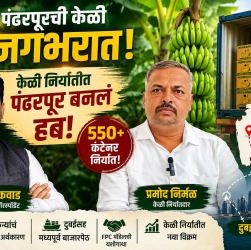
🎥 व्हिडिओ रिपोर्ट: इथे क्लिक करा — | YouTube 📸 छायाचित्र: प्रमोद निर्मळ — केळी निर्यातदार, पंढरपूर, सोलापूर जिल्हा, महाराष्ट्र ✍️ विजय गायकवाड | वरिष्ठ कृषी पत्रकार व धोरण विश्लेषक 📍 पंढरपूर, सोलापूर जिल्हा | 📅 २१ मे २०२६ 🙏 एक नगरी, एक वारी, एक स्वप्न चंद्रभागेच्या तीरावर जेव्हा लाखो वारकऱ्यांचे पाय एकत्र येतात, तेव्हा पंढरपूर नुसतं गाव राहत नाही — ते एक श्वास बनतं. विठ्ठलाच्या दर्शनासाठी निघालेल्या त्या लाखो पावलांमध्ये आस्था असते, थकवा असतो, आणि एक अबोल आशा असते — की या भक्तीने कुठेतरी जगणं सुसह्य होईल. पण त्याच पंढरपुरात, त्याच मातीत, एका माणसाने आणखी एक वारी सुरू केली — बाजाराची वारी. जागतिक बाजाराची. त्याचं नाव — प्रमोद निर्मळ. 🌱 मातीत रुजलेलं स्वप्न सोलापूर जिल्ह्यातल्या या भागात जेव्हा उन्हाळा येतो, तेव्हा माळरानावरची केळीची बागच काय, माणसाची मनंही करपून जातात. शेतकऱ्याने घाम गाळावा, पीक काढावं, आणि स्थानिक बाजारात ते फेकल्यासारखं विकावं — हा एकच धंदा पिढ्यानपिढ्या चालत आलेला होता. प्रमोद निर्मळ यांनी हे चित्र लहानपणापासून पाहिलं होतं. शेतकऱ्याच्या घरातून आलेल्या प्रमोद यांना माहीत होतं — की मेहनत कधीच कमी नव्हती, फक्त बाजार कधीच आपला नव्हता. त्यांनी एक प्रश्न विचारला — 💬 “आपली केळी दुबईला का जाऊ शकत नाही?” हा प्रश्न साधा वाटतो. पण त्या एका प्रश्नाने पंढरपूरच्या केळी अर्थव्यवस्थेला नवा श्वास दिला. ⛓️ स्थानिक बाजाराच्या पिंजऱ्यातून सुटका केळी पिकवणं हे महाराष्ट्रातल्या शेतकऱ्यांना नवं नाही. जळगाव, सोलापूर, सांगली — या पट्ट्यात हजारो एकरांवर केळीच्या बागा वर्षानुवर्षं फुलत आल्या. पण फुलणं आणि नफा मिळवणं यात मोठा फरक होता. स्थानिक व्यापारी ठरवेल ती किंमत, शेतकऱ्याने मान खाली घालून घ्यायची — हे समीकरण जणू ठरलेलं होतं. काढणी आणि वाहतुकीच्या खर्चात अनेकदा उत्पन्नापेक्षा जास्त पैसे जायचे. शेतकरी थकत होता, कर्जात बुडत होता. प्रमोद निर्मळ यांनी हा पिंजरा ओळखला. आणि त्यातून बाहेर पडण्याचा मार्गही शोधला — शेतकरी उत्पादक कंपनी (Farmer Producer Company — FPC) या क्रांतिकारक मॉडेलच्या रूपाने. 🏭 FPC — शेतकऱ्यांचं सामूहिक बळ 💬 “एकट्याने केळी विकणं म्हणजे एकट्याने समुद्र पार करण्यासारखं. पण एकत्र आलो, तर जहाजही बनतं आणि किनाराही सापडतो.” …