

— विजय गायकवाड | Vijay Gaikwad
Mahatma Jotirao Phule: The Visionary Entrepreneur India Forgot
महात्मा जोतीराव फुले यांचे नाव घेताच आपल्यासमोर येतो तो एक महान समाजसुधारक, स्त्री-शिक्षणाचा पुरस्कर्ता, जातिनिर्मूलनाचा योद्धा. पण या प्रतिमेआड एक अत्यंत महत्त्वाचा पैलू बहुधा झाकोळला जातो — जोतीरावांचा उद्योजक, व्यापारी आणि धाडसी कंत्राटदार म्हणून असलेला पैलू. प्रा. हरी नरके यांच्या संशोधनानुसार, जोतीरावांच्या उद्योगपती, कार्यकारी संचालक, अर्थतज्ज्ञ आणि शेअर मार्केटविषयक योगदानाकडे जाणकारांचं अद्याप पुरेसं लक्ष गेलेलं नाही.
When we invoke the name of Mahatma Jotirao Phule, born on April 11, 1827, our minds immediately conjure the image of a fearless social reformer — a champion of women’s education, a crusader against caste oppression. Yet hidden behind this towering identity lies a dimension that history has largely overlooked: Phule as a businessman, contractor, executive director, and economic visionary. As scholar Prof. Hari Narke notes, his contributions as an industrialist, economist, and his knowledge of the stock market have received astonishingly little attention.
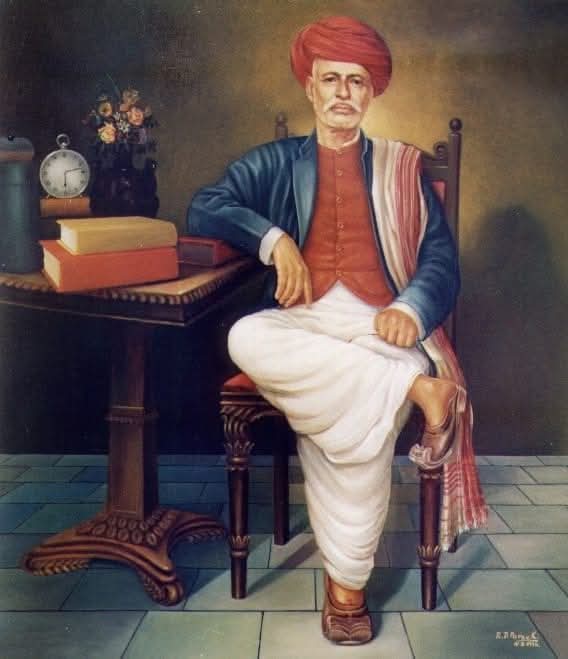
जोतीराव हे ‘पुणे कमर्शियल अँड कॉन्ट्रॅक्टिंग कंपनी’चे कार्यकारी संचालक होते. ही कंपनी केवळ व्यावसायिक उपक्रम नव्हती, तर सामाजिक परिवर्तनाचे एक साधन होती. या कंपनीने कात्रजचा बोगदा, येरवड्याचा पूल, खडकवासला धरणाचा कालवा असे भव्य प्रकल्प उभारले. धरणे, कालवे, बोगदे, रस्ते, इमारती, कापडगिरण्या आणि राजवाडे — सर्वच क्षेत्रांत या कंपनीने आपला ठसा उमटवला.
Phule was the Executive Director of the Pune Commercial and Contracting Company — a remarkable enterprise for its era. The company executed landmark infrastructure projects including the Katraj Tunnel, the Yerawada Bridge, and the Khadakwasla Dam Canal. Associates from the Satyashodhak movement built the Brihanmumbai Municipal Corporation headquarters, the Byculla Bridge, the Parel Railway Workshop, the Bhandaradara reservoir, the Laxmi Vilas Palace of Baroda, and the Times of India building in Mumbai — all connected to Phule’s business network.
जोतीरावांच्या उद्योगाची व्याप्ती आश्चर्यकारक होती. बांधकाम आणि पायाभूत सुविधांबरोबरच कंपनी पुस्तकप्रकाशन, सोन्याच्या दागिन्यांचे साचे विकण्याची एजन्सी आणि भाजीपाला विक्री व पुरवठा अशा बहुआयामी व्यवसायांत कार्यरत होती. आधुनिक भाषेत सांगायचे तर हे एक ‘डायव्हर्सिफाइड बिझनेस मॉडेल’ होते — आजपासून दीडशे वर्षे आधी!
What is striking about Phule’s enterprise is its sheer diversity. The company was simultaneously engaged in construction, book publishing — including the 1865 publication of Jatibhed Viveksaar — retail sale of gold jewellery moulds, and vegetable supply. In modern business terms, this was a diversified conglomerate combining infrastructure, publishing, agriculture, and retail under one visionary roof, nearly 150 years before such models became fashionable.
जोतीरावांच्या उद्योजकतेचे सर्वात असाधारण वैशिष्ट्य म्हणजे त्यांची पुनर्गुंतवणूक — संपत्तीत नव्हे, तर समाजपरिवर्तनात. वर्गणीवर समाजकार्य करण्याची प्रथा तोवर निर्माण झालेली नव्हती. स्वकष्टार्जित संपत्ती खर्चून त्यांनी शाळा, स्त्रीशिक्षण आणि संपूर्ण सत्यशोधक चळवळ उभी केली. जोतीराव हे स्वत:च्या तेलाने जळणारे सामाजिक उद्योजक होते — भारतातील पहिले ‘सोशल आंत्रप्रेन्योर’!
What made Phule’s entrepreneurship truly extraordinary was his philosophy of reinvestment — not into personal wealth, but into social transformation. At a time when funding social work through public subscriptions was unheard of, Phule financed schools, women’s education centres, and the Satyashodhak movement entirely from his own business earnings. He was, in the truest sense, India’s first social entrepreneur — a concept the world would take another century to name.
जोतीरावांची उद्योजकता शोषणावर आधारित नव्हती, ती समावेशक होती. भारतीय कामगार चळवळीचे जनक नारायण मेघाजी लोखंडे यांना पहिली कामगार संघटना उभारण्यासाठी जोतीरावांचेच प्रोत्साहन होते. एक यशस्वी उद्योजक असताना कामगारांच्या हक्कांचा पुरस्कार करणे — हे आजच्या ESG आणि Inclusive Business तत्त्वाशी किती सुसंगत आहे!
Phule’s entrepreneurship was not extractive — it was generative and inclusive. He encouraged Narayan Meghaji Lokhande, widely regarded as the father of the Indian labour movement, to establish India’s first workers’ union. An industrialist who simultaneously championed workers’ rights: this is a model of inclusive business that even 21st-century corporations struggle to emulate, and one that aligns perfectly with today’s ESG principles.
फुल्यांची दृष्टी कधीही संकुचित नव्हती. त्यांनी १८७३ साली लिहिलेले ‘गुलामगिरी’ हे पुस्तक त्यांनी अमेरिकेतील निग्रोमुक्ती चळवळीला अर्पण केले. नेल्सन मंडेला आणि बराक ओबामा भारतभेटीवर आले असता त्यांना या ग्रंथाचा इंग्रजी अनुवाद भेट दिला गेला — ते दोघेही भाराऊन गेले. संपूर्ण आशिया खंडातील हे एकमेव विचारवंत आहेत ज्यांनी दीडशे वर्षांपूर्वी विचारांचे जागतिकीकरण केले होते.
Phule’s vision was never parochial. His 1873 masterwork Gulamgiri (Slavery) was dedicated to the liberation movement of Black Americans. Nelson Mandela and Barack Obama, during their respective visits to India, were moved to receive English translations of this work. He remains the only thinker in the entire Asian continent who had globalised his ideas nearly 150 years ago — a true internationalist long before globalisation became a buzzword.
आज भारत एका नव्या वळणावर उभा आहे. स्टार्टअप इंडिया, मुद्रा योजना, स्किल इंडिया — या सगळ्या योजनांचे मूळ फुल्यांच्या कृषी-औद्योगिक शिक्षणाच्या आग्रहात आहे. १५० वर्षांपूर्वी कृषी-औद्योगिक शिक्षणाचा आग्रह धरणारे फुले हे आधुनिक भारताच्या कृषी-औद्योगिक प्रगतीचे द्रष्टे शिल्पकार ठरतात. ओबीसी, दलित आणि बहुजन उद्योजकांसाठी नवे युग उघडत असताना फुल्यांचा हा वारसा अधिकच प्रासंगिक बनतो.
India today stands at an entrepreneurial inflection point. Programmes like Startup India, MUDRA, Skill India, and Make in India aspire to build a new generation of entrepreneurs — particularly from OBC, Dalit, and Bahujan communities. This aspiration has deep historical roots. A century and a half ago, Phule demanded agro-industrial education for all — empowering farmers, artisans, and labourers to become producers and owners, not merely workers. He is, without doubt, the founding architect of India’s agro-industrial vision.
२०२७ साली महात्मा जोतीराव फुले यांच्या जन्माला २०० वर्षे पूर्ण होतील. त्यांना सर्वोत्तम अभिवादन म्हणजे पुतळे आणि जयंत्या नव्हेत — तर समाजाच्या शेवटच्या माणसापर्यंत उद्योजकतेचे दरवाजे उघडणे होय. जोतीरावांनी दगड-मातीत बोगदे आणि पूल बांधले नाहीत केवळ — त्यांनी मानवी शक्यतांचे पूल बांधले. न्यायावर आधारित उद्योजकता हाच त्यांचा सर्वकालीन वारसा आहे.
In 2027, India will celebrate the 200th birth anniversary of Mahatma Jotirao Phule. The most fitting tribute is not in statues or ceremonies, but in building a business ecosystem where the last person in the social hierarchy has access to capital, skills, and opportunity. Phule built tunnels and bridges not just in stone and mortar, but in human possibility. His was an entrepreneurship rooted in justice — and that, perhaps, is the most urgent and timeless lesson he leaves for our age.
संदर्भ | References: Prof. Hari Narke — ‘Aamhi Pahilele Mahatma Phule’ (1993) · ‘Mahatma Phule – Shodhachya Navya Vata’ (1998) · ‘Mahatma Phule Samagra Vangmay’ (1991), Maharashtra Government Publications